
Mistakes That Can Hurt Your Workplace Injury Claim: What Every Injured Worker Should Know

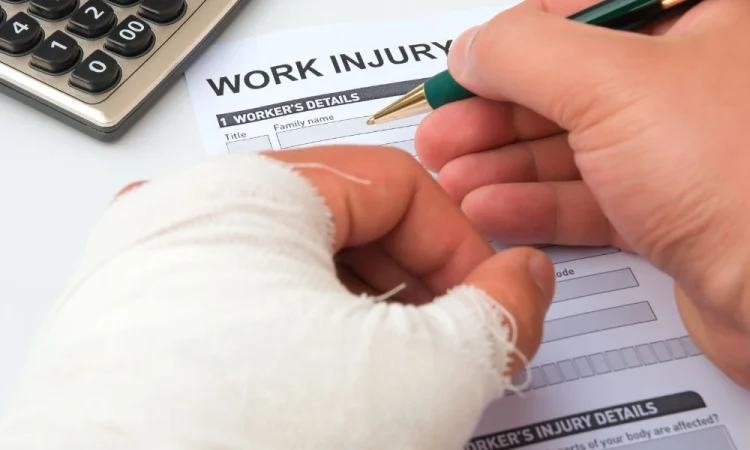
A workplace injury can disrupt your health, income, and overall stability in an instant. While most employees are entitled to job injury benefits under workers’ compensation laws, many valid claims are reduced or denied due to avoidable mistakes. Understanding how the process works-and where things commonly go wrong-can make a significant difference in the outcome of your workplace injury claim.
Whether you are filing for the first time or appealing a denial, knowing what to avoid can protect your rights and strengthen your case.
Understanding a Workplace Injury Claim
A workplace injury claim is a formal request for benefits after an employee suffers an injury or illness arising from job-related duties. These claims are typically handled through the workers’ compensation system, which is designed to provide medical care, wage replacement, and disability benefits without requiring a lawsuit against the employer.
In most cases, benefits may include:
- Medical treatment costs
- Partial wage replacement
- Temporary or permanent disability benefits
- Rehabilitation services
- Job retraining in severe cases
While the system is meant to be straightforward, strict rules and deadlines apply. Even minor errors can lead to delays, reductions, or denials of benefits.
Common Mistakes That Can Hurt Your Workplace Injury Claim
Many injured employees unintentionally weaken their claims early in the process. Below are some of the most critical mistakes to avoid.
1. Failing to Report the Injury Immediately
One of the most damaging errors is delaying the report of a workplace accident. Employers and insurers often require prompt notification.
Failing to report on time may:
- Create doubt about whether the injury is work-related
- Reduce credibility of your claim
- Violate reporting deadlines under workers’ compensation laws
Even if the injury seems minor, always notify your supervisor as soon as possible.
2. Not Seeking Prompt Medical Attention
Delaying medical treatment can seriously affect your case. Insurance companies often argue that a gap in treatment means the injury is not severe or not work-related.
Prompt medical documentation helps:
- Establish a clear link between the accident and injury
- Provide medical evidence for your claim
- Support your need for ongoing treatment or disability benefits
Always follow prescribed treatment plans and attend all appointments.
3. Giving Incomplete or Inconsistent Information
Consistency is crucial in a workplace injury claim. Any discrepancies in your statements to doctors, employers, or insurance adjusters can be used against you.
Common issues include:
- Changing details about how the accident happened
- Exaggerating or minimizing symptoms
- Forgetting to mention prior injuries
Insurance companies carefully analyze records, so accuracy matters at every step.
4. Posting About Your Injury on Social Media
Social media can significantly damage a claim. Insurance investigators often monitor online activity to find evidence that contradicts injury reports.
Even harmless posts can be misinterpreted, such as:
- Photos showing physical activity
- Travel or recreational updates
- Comments about recovery progress
It is best to avoid discussing your injury publicly until your claim is resolved.
5. Not Understanding Your Rights Under Workers’ Compensation
Many employees are unaware of the full scope of their rights. Workers’ compensation laws generally protect employees from bearing the financial burden of workplace injuries.
You may be entitled to:
- Medical benefits for necessary treatment
- Job injury benefits for lost wages
- Disability compensation if you cannot return to work
- Vocational rehabilitation in long-term cases
Failing to understand these rights can result in accepting less compensation than you deserve.
Legal Implications of Mistakes in Your Claim
Even small errors can have serious legal consequences. Insurance companies are focused on minimizing payouts, and they may use inconsistencies or delays to dispute your claim.
Common outcomes of mistakes include:
- Claim delays or denials
- Reduced settlement value
- Termination of benefits
- Increased difficulty in appealing decisions
In some cases, disputes may escalate into hearings or litigation, requiring stronger legal evidence and representation.
Types of Compensation Available in a Workplace Injury Claim
A successful claim can provide several forms of financial and medical support. These benefits are designed to restore stability after an injury.
Medical and Rehabilitation Benefits
These cover doctor visits, surgeries, medications, physical therapy, and necessary medical equipment.
Wage Replacement Benefits
If you are unable to work, you may receive partial income replacement during recovery.
Disability Benefits
- Temporary total disability
- Temporary partial disability
- Permanent disability compensation
Vocational Training
If you cannot return to your previous job, retraining programs may help you transition into a new role.
Understanding these benefits is essential when evaluating any settlement offer.
How a Workers Compensation Lawyer Can Help
Navigating a claim alone can be overwhelming, especially when dealing with insurance companies that prioritize cost control. A skilled workers compensation lawyer plays a critical role in protecting your rights.
An attorney can assist by:
- Ensuring your claim is filed correctly and on time
- Gathering strong medical and workplace evidence
- Communicating with insurance adjusters on your behalf
- Challenging claim denials or low settlement offers
- Representing you in hearings or appeals if needed
Legal guidance is especially important in complex cases involving long-term disability, disputed injuries, or employer retaliation.
With professional support, injured workers are far more likely to secure fair job injury benefits and avoid costly mistakes.
Protecting Your Claim Starts with the Right Actions
A workplace injury can already feel overwhelming, but missteps in the claims process can make recovery even harder. From delayed reporting to inconsistent medical documentation, these avoidable errors often determine whether a claim succeeds or fails.
Taking the right steps early-reporting the injury, seeking medical care, and understanding your rights-can significantly improve your outcome. When uncertainty arises, professional legal support can make all the difference.
Conclusion:
A workplace injury claim is not just paperwork-it is your pathway to financial stability and medical recovery after an accident. Unfortunately, even small mistakes can reduce or eliminate the benefits you are entitled to receive.
If you are injured at work or facing challenges with your claim, consulting an experienced workers compensation lawyer can protect your rights and maximize your compensation. Legal guidance ensures your claim is handled correctly from start to finish, giving you the best chance at securing full job injury benefits.
Don’t navigate the process alone. Contact a qualified workplace injury attorney today to safeguard your rights and pursue the compensation you deserve.