


Understanding the National Landscape of Accident Compensation
When a serious car accident happens, many people immediately wonder, “What is my personal injury claim truly worth?” The financial stress from medical bills, lost wages, and other unexpected costs can be overwhelming.
Understanding what your car accident settlement could be is very important. It helps you set realistic expectations and navigate the often-complex world of insurance claims and legal processes. While every accident case is unique, we can explore general trends and influential factors.
In this extensive guide, we will delve into the typical payouts for car accidents across the nation. We will examine how these amounts vary based on your specific injuries, the type of accident, and even your geographic location. We will also cover the key elements that dictate a claim’s value, discuss the role of legal representation, and highlight common mistakes to avoid. Our goal is to provide you with clear, comprehensive information to help you understand and secure fair compensation after a serious accident.
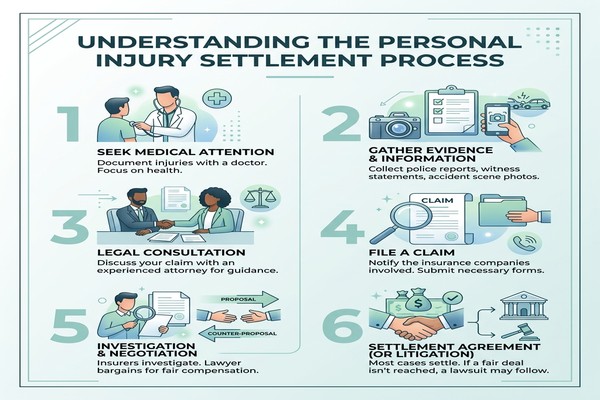
When we discuss the “average” car accident settlement, it’s crucial to understand that this figure is a benchmark, not a guarantee. Every case presents a unique set of circumstances, injuries, and legal considerations. However, national statistics can offer a helpful starting point for understanding potential outcomes.
Recent data, compiled from over 5,861 cases settled between 2021 and 2024, indicates that the average personal injury settlement amount is approximately $55,056.08. More specifically for car accidents, the national average settlement is reported to be around $30,416. This figure encompasses a wide spectrum, ranging from approximately $5,000 for minor injuries to well over $1 million for catastrophic injuries. Another perspective from the Insurance Research Council (2023 data) suggests a median auto accident settlement of $31,000. The median often provides a more accurate representation by reducing the impact of extremely high or low outliers.
These national figures, while informative, don’t tell the whole story. Settlement amounts can vary dramatically by state, influenced by local laws, jury tendencies, and even the cost of living. For instance:
- California Trends: In California, moderate car accident cases typically see settlements ranging from $20,000 to $30,000. However, incidents involving motorcycles or commercial trucks often command higher payouts, potentially falling between $50,000 and $150,000. This is partly due to the state’s lack of a cap on pain and suffering damages and its high traffic volume, which can lead to more severe accidents.
- Texas Modified Comparative Negligence: Car accident settlements in Texas generally range from $15,000 to $30,000. These amounts are heavily influenced by the severity of injuries, available insurance coverage, and the state’s modified comparative negligence rule, which can reduce or bar recovery if the injured party is significantly at fault.
- Florida’s No-Fault System: Florida’s average car accident settlements typically fall between $5,000 and $30,000 for standard cases. However, severe injury cases can exceed $500,000. The state’s no-fault insurance system requires Personal Injury Protection (PIP) coverage, which pays for initial medical expenses regardless of fault, impacting how claims are processed and valued.
- Georgia Averages: For those navigating the legal landscape in North Georgia, understanding local trends and specific legal nuances is paramount. While national figures offer a broad perspective, state-specific data, such as the estimated North Georgia accident payouts, can provide a more accurate picture, with ranges often cited between $28,000 and $95,000.
The disparity in averages across states stems from several factors, including:
- State-Specific Laws: Laws like no-fault systems, comparative negligence rules, and minimum insurance requirements directly impact settlement values.
- Jury Pools and Cost of Living: Some regions are known for more generous juries, and higher costs of living can inflate economic damages like lost wages and medical expenses.
- Insurance Minimums: States with lower mandatory insurance coverage limits may see lower average payouts, as the available funds for compensation are capped.
Understanding these regional differences is vital, as a settlement that seems “average” nationally might be considered low or high depending on where the accident occurred.
| State | Typical Moderate Case Settlement Range | Notes font-family) | | Florida | $5,000-$30,000 (up to $500,000+ for severe cases) | No-fault system with PIP coverage; “serious injury” threshold for pain and suffering. | | Texas | $15,000-$30,000 (typical) | Modified comparative negligence; minimum liability coverage ($30k/$60k/$25k). | | Georgia | $28,000-$95,000 (range) | At-fault state; modified comparative negligence (50% bar rule). |

Key Factors Influencing Your Settlement Value
The value of your car accident settlement is not determined by a simple formula. Instead, it’s a complex calculation based on a multitude of factors unique to your case. We consider both the tangible and intangible losses you’ve endured, as well as the legal and practical limits of recovery.
Calculating Economic Damages in Accident Compensation
Economic damages are the quantifiable financial losses directly resulting from the accident. These are relatively straightforward to calculate, provided you maintain meticulous records. They include:
- Medical Expenses: This is often the largest component. It covers everything from emergency room visits (averaging $2,300-$4,100 in 2026) and ambulance rides to hospital stays (around $11,700 per admission), doctor’s appointments, prescription medications, physical therapy (ranging from $6,000-$18,000 over 12 months), and any necessary surgeries or long-term care. Comprehensive medical records, hospital bills, physical therapy notes, and pharmacy receipts are crucial evidence.
- Lost Wages and Earning Capacity: This includes income you’ve lost due to being unable to work, as well as any future income you’re projected to lose if your injuries prevent you from returning to your pre-accident job or earning capacity. For instance, lost wages for moderate injuries can range from $8,500 to $42,000. Vocational assessments and life care plans from experts can help project these future losses, especially important with 2026 inflation adjustments in mind.
- Property Damage: While often handled separately, the cost to repair or replace your vehicle is also an economic damage.
- Other Out-of-Pocket Expenses: This can include transportation costs to medical appointments, childcare expenses incurred due to your injuries, assistive devices, and even home modifications if necessary.
How Comparative Fault Impacts Accident Compensation
One of the most significant factors influencing your final settlement amount is the determination of fault. Most states, including Georgia, follow some form of comparative negligence. This legal principle allows you to recover damages even if you were partially at fault for the accident, but your compensation will be reduced by your percentage of fault.
For example, if your total damages are assessed at $100,000, but you are found to be 20% at fault, your recoverable settlement would be reduced to $80,000. However, many states, like Georgia, operate under a “modified comparative negligence” rule (often referred to as the 50% bar rule). This means if you are found to be 50% or more at fault, you may be barred from recovering any damages at all.
Determining liability in accident cases involves a thorough investigation, often utilizing police reports, witness statements, accident reconstruction experts, and even vehicle black box data. Insurance adjusters will scrutinize these details to assign fault, and have strong evidence to support your claim of the other driver’s negligence.
Non-Economic Damages and the Multiplier Method
Beyond economic damages, you are also entitled to compensation for non-economic damages, which are more subjective. These include:
- Pain and Suffering: This encompasses physical pain, discomfort, and emotional distress caused by your injuries.
- Mental Anguish: Psychological impacts such as anxiety, depression, PTSD, or fear.
- Loss of Enjoyment of Life: The inability to participate in hobbies, activities, or daily routines you enjoyed before the accident.
To calculate these often-intangible losses, attorneys and insurance companies frequently use the multiplier method. This involves adding up all your economic damages (medical bills, lost wages) and then multiplying that sum by a factor, typically ranging from 1.5x to 5x. The multiplier chosen depends on the severity of your injuries, the duration of your recovery, the impact on your daily life, and the clarity of liability. A minor injury with a quick recovery might warrant a 1.5x multiplier, while a severe, long-lasting injury could justify a 4x or 5x multiplier. For instance, a lumbar disc herniation with $32,000 in medical bills and $18,000 in lost wages ($50,000 total economic damages) might settle between $90,000 and $160,000, depending on the multiplier applied.

Insurance Policy Limits
The at-fault driver’s insurance policy limits play a critical role in determining the maximum amount you can recover. Even if your damages are extensive, you generally cannot recover more than the available policy limits unless you pursue a claim directly against the at-fault driver’s personal assets, which is often challenging.
Minimum liability coverage in many states can be as low as $25,000 per person for bodily injury. This can quickly be exhausted by even moderate injuries. In contrast, commercial truck accidents often involve policies with limits ranging from $750,000 to $5 million, which is a major reason their average settlements are significantly higher. If the at-fault driver has minimal insurance, your own uninsured/underinsured motorist (UM/UIM) coverage can be a crucial source of additional compensation.
How Injury Severity and Accident Type Dictate Payouts
The severity and type of injury you sustain are, by far, the most significant determinants of your car accident settlement value. Catastrophic injuries that lead to permanent disability or require lifelong care will naturally result in much higher settlements than minor injuries. Similarly, the type of accident can often correlate with injury severity and, consequently, payout amounts.
Settlement Amounts by Injury Type
Based on recent data, we see clear trends in average payouts for different injury types:
- Whiplash: Often categorized as a soft tissue injury, whiplash has an average settlement of approximately $18,950, with typical ranges from $5,000 to $40,000. The specific amount depends on the duration of treatment, the need for chiropractic care or physical therapy, and the extent to which it impacts daily activities.
- Herniated Discs: These more serious spinal injuries can lead to settlements ranging from $50,000 to $100,000 or more, with some cases reaching up to $200,000, especially if surgery is required.
- Traumatic Brain Injuries (TBI): TBIs are among the most severe injuries, with an average settlement around $850,000. Payouts for TBI can range widely, from $100,000 for mild concussions to over $10 million for severe, permanent brain damage affecting cognitive function and daily life.
- Spinal Cord Injuries: These devastating injuries often result in paralysis or significant functional impairment. The average settlement for spinal cord injuries is approximately $1.2 million, reflecting the immense medical costs, lost earning capacity, and profound impact on quality of life.
- Broken Bones: Depending on the bone, the complexity of the fracture, and whether surgery is needed, settlements for broken bones can range from $30,000 to $100,000.
- Wrongful Death Claims: When an accident results in a fatality, wrongful death claims can range from $500,000 to several million dollars, encompassing losses for the deceased’s future earnings, companionship, and funeral expenses.
Settlement Amounts by Accident Type
The nature of the collision also influences potential payouts, primarily because certain accident types are more prone to causing severe injuries and involve different liability complexities:
- Overall Auto Accidents: The average settlement for a general auto accident is around $37,248.62.
- Rear-End Collisions: While often associated with whiplash and other soft tissue injuries, rear-end collisions can also cause severe spinal trauma, especially at higher speeds.
- T-Bone / Side-Impact Accidents: These collisions, particularly when occurring at intersections, carry a high risk of serious injuries due to the direct impact on the side of the vehicle, often leading to head, neck, and torso trauma.
- Commercial Truck Accidents: These accidents typically result in much higher payouts, averaging around $103,654.08. This is due to several factors: the sheer size and weight of commercial trucks cause devastating injuries, federal and state regulations governing the trucking industry create additional avenues for liability, and trucking companies carry significantly higher insurance policy limits (often $750,000 to $5 million) compared to personal vehicles.
- Motorcycle Accidents: Motorcycle riders lack the protection of an enclosed vehicle, making them highly vulnerable to severe injuries. The average settlement for motorcycle accidents is approximately $66,107.60, reflecting the high incidence of catastrophic injuries like TBIs, spinal cord damage, and multiple fractures.
- Pedestrian Accidents: Similar to motorcycle accidents, pedestrians have no protection against impact, leading to severe injuries and higher average settlements, around $67,511.90.
Navigating the Legal Process and Avoiding Common Pitfalls
The journey to securing a fair car accident settlement can be intricate and fraught with potential missteps. Understanding the legal process and avoiding common pitfalls is as crucial as knowing the potential value of your claim.
The Impact of Hiring a Personal Injury Attorney
One of the most significant factors influencing your settlement payout is whether you choose to hire a personal injury attorney. Statistics consistently show that represented claimants receive substantially higher settlements. Data indicates that claimants with legal representation receive, on average, 340% higher settlements than those who represent themselves ($77,600 versus $17,600). Even after deducting attorney fees (typically 33%), represented claimants often net 226% more.
Why such a dramatic difference? Attorneys bring expertise in:
- Valuation: They accurately assess all economic and non-economic damages, including future medical needs and lost earning capacity.
- Negotiation: They understand insurance company tactics, can counter lowball offers, and leverage the threat of litigation.
- Trial Readiness: Insurers are more likely to offer a fair settlement when they know the claimant is prepared to go to court.
- Paperwork and Deadlines: They manage complex legal documents and ensure all deadlines, like the statute of limitations (typically two years from the accident date in many states, including Georgia), are met.
The Settlement Process and Timelines
The vast majority of personal injury cases-approximately 95%-settle before ever reaching a trial. This is because trials are costly, time-consuming, and carry inherent risks for both parties.
The timeline for receiving a settlement varies widely:
- Minor Cases: For straightforward cases with minor injuries, a settlement might be reached within 90 to 180 days.
- Complex Cases: Cases involving severe injuries, extensive medical treatment, or disputed liability can take much longer, often 12 to 24 months, or even more if litigation is required. The process often involves reaching Maximum Medical Improvement (MMI), where your medical condition has stabilized as much as possible, before a final valuation can be made.
Common Mistakes That Reduce Settlement Values
Victims often inadvertently undermine their own claims. Here are crucial mistakes to avoid:
- Accepting the First Offer: Insurance companies are businesses, and their initial offers are almost always lowball, often 30-50% below the claim’s actual value. They aim for a quick, cheap resolution.
- Gaps in Medical Treatment: Any delay or inconsistency in seeking and continuing medical care can be used by insurers to argue your injuries are not severe or were not caused by the accident.
- Social Media Activity: Posts about your activities, travel, or even general well-being can be misconstrued by insurers to contradict your injury claims. It’s best to avoid posting about your accident or injuries.
- Giving Recorded Statements Without Counsel: Insurance adjusters are trained to elicit information that can be used against you. Never give a recorded statement to the at-fault driver’s insurance company without first consulting your attorney.
- Settling Before MMI: If you settle before your long-term prognosis is clear, you risk forfeiting compensation for future medical needs or complications.
- Missing Deadlines: Each state has a statute of limitations for filing personal injury lawsuits. Missing this deadline (e.g., two years in Georgia) can permanently bar your right to compensation.
- Not Documenting Everything: Keep meticulous records of all medical appointments, bills, lost wages, and any other accident-related expenses. Also, document the impact on your daily life, pain levels, and emotional distress.
By understanding these aspects of the legal process and proactively avoiding common pitfalls, you significantly strengthen your position to secure fair compensation.
Frequently Asked Questions about Accident Compensation
Navigating the aftermath of a car accident can leave you with many questions. Here, we address some of the most common inquiries regarding personal injury settlements.
What is the average accident compensation for whiplash?
Whiplash, a common soft tissue injury resulting from car accidents, typically has an average settlement of around $18,950. However, the compensation for whiplash can range significantly, from approximately $5,000 for minor cases with short recovery periods to over $40,000 for more severe instances involving prolonged pain, extensive physical therapy, or complications.
Key factors influencing this range include:
- Severity of Symptoms: The intensity and duration of pain, stiffness, headaches, and other symptoms.
- Treatment Duration and Type: Whether treatment involved a few chiropractic sessions, extensive physical therapy, or specialized medical interventions. Consistent and documented treatment is crucial.
- Impact on Daily Life: How the whiplash injury affected your ability to work, perform daily tasks, or engage in recreational activities.
- Documentation Requirements: Thorough medical records, doctor’s notes, and evidence of consistent treatment are essential to substantiate your claim.
How does fault affect accident compensation?
Fault, or negligence, is a critical element in determining accident compensation. Most states follow some form of comparative negligence:
- Pure Comparative Negligence: In these states, you can recover damages even if you are 99% at fault, though your compensation will be reduced by your percentage of fault.
- Modified Comparative Negligence: This is more common. States like Georgia operate under a modified comparative negligence rule, often referred to as the “50% bar rule.” Under this rule, if you are found to be 50% or more at fault for the accident, you are legally barred from recovering any compensation from the other party. If you are less than 50% at fault (e.g., 20% at fault), your total damages will be reduced by that percentage.
Insurance adjusters will actively seek to assign a portion of fault to you to reduce their payout. This is why it’s crucial to have strong evidence, such as police reports, witness statements, and accident reconstruction, to clearly establish the other driver’s liability. Understanding your state’s specific comparative negligence laws is paramount when evaluating your potential settlement.
How long does it typically take to receive a settlement?
The timeline for receiving a car accident settlement can vary significantly based on the complexity of your case, the severity of your injuries, and whether the case proceeds to litigation.
Here’s a general breakdown:
- Initial Claim and Investigation (Weeks to a Few Months): After the accident, you’ll file a claim and the insurance companies will conduct their investigations. This involves gathering evidence, medical records, and police reports.
- Demand Letter and Negotiation (1-3 Months Post-MMI): Once you’ve reached Maximum Medical Improvement (MMI)-meaning your condition has stabilized-your attorney will typically send a demand letter to the at-fault driver’s insurance company. Negotiations then begin, which can take several weeks or months.
- Litigation Phase (9 Months to 2+ Years): If negotiations fail to yield a fair offer, your attorney may recommend filing a lawsuit. This initiates the litigation phase, which involves discovery (exchanging information), depositions, and potentially mediation. While a lawsuit is filed, many cases still settle during this phase before going to trial.
- Mediation: Often, a neutral third party (mediator) helps facilitate discussions to reach a settlement. This can resolve cases quickly once both sides are ready.
- Final Disbursement: Once a settlement is reached (either through negotiation or litigation), it typically takes several weeks for the funds to be disbursed. This period is used to finalize paperwork, pay off medical liens (such as those from health insurance providers or government programs), and deduct attorney fees and case costs.
Minor injury cases with clear liability might resolve in 4-6 months, while complex cases involving severe injuries, multiple parties, or extensive future medical needs could take 1-2 years or even longer. Patience is often a virtue in these situations, as rushing a settlement can mean leaving significant compensation on the table.
Conclusion
Navigating the aftermath of a car accident, especially when dealing with personal injuries, is a challenging experience. While national averages provide a general idea, the true value of your claim is deeply personal and influenced by a complex interplay of factors: the severity and type of your injuries, the economic and non-economic damages you’ve suffered, the specifics of your accident, the applicable state laws, and the limits of available insurance coverage.
We’ve seen that the landscape of car accident compensation is not static; it’s shaped by evolving medical costs, legal precedents, and even technological advancements in claims processing. Securing fair compensation isn’t just about covering immediate expenses; it’s about ensuring your long-term stability, covering future medical needs, and acknowledging the profound impact the accident has had on your life.
Understanding these nuances and making informed decisions is paramount. While we aim to provide comprehensive information, every case is unique. We strongly encourage anyone who has suffered injuries in a car accident to seek professional legal advice. An experienced personal injury attorney can evaluate your specific situation, navigate the complexities of insurance negotiations, and advocate tirelessly to help you secure the compensation you rightfully deserve, allowing you to focus on your recovery and future well-being.