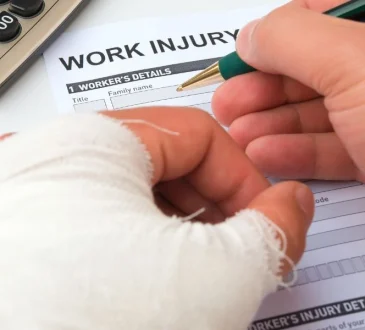


Understanding the Landscape of Personal Injury Claims in California
Brain injuries present immense challenges. They affect both the body and the mind. Often called the “Silent Epidemic,” a traumatic brain injury (TBI) can cause hidden damage. This damage might not be visible, but its effects can be profound and life-altering. For those in Orange County who have experienced a TBI, understanding these injuries and their legal implications is crucial.
This comprehensive guide aims to help. We will explore the complexities of brain injuries, from their causes and symptoms to the vital steps needed to seek justice and proper care. We will also look at current legal standards as of April 2026. Navigating the aftermath of a TBI often involves dealing with complex personal injury claims.
Our goal is to provide clear, actionable information. This guide will cover how TBIs occur, their long-term effects, and what legal avenues are available. We believe that with the right knowledge, victims and their families can make informed decisions during a challenging time.

When a brain injury occurs due to another party’s negligence or wrongdoing, it often leads to a personal injury claim. In California, the legal framework for such claims is designed to provide victims with a pathway to compensation, but it is intricate and requires careful navigation. Understanding the fundamental principles of California’s personal injury law is the first step toward protecting your rights.
One of the most critical aspects to consider is the statute of limitations. In most personal injury cases in California, including those involving brain injuries, a lawsuit must generally be filed within 2 years of the injury. This two-year deadline is strict, and missing it can permanently bar a victim from seeking compensation, regardless of the severity of their injury. However, exceptions can apply, such as the “discovery rule,” which might extend the deadline if the injury or its cause was not immediately apparent.
California also operates under a pure comparative negligence system. This means that if an injured party is found to be partially at fault for the accident that caused their brain injury, their recoverable damages will be reduced by their percentage of fault. For example, if a court determines a victim was 20% responsible for an accident, their compensation would be reduced by 20%. This system allows victims to recover some damages even if they share some blame, but it underscores the importance of thoroughly investigating fault.
To establish a successful personal injury claim for a brain injury, we must prove several key elements of negligence:
- Duty of Care: The at-fault party owed a legal duty to exercise reasonable care toward the injured party. For instance, drivers owe a duty to operate their vehicles safely, and property owners owe a duty to maintain safe premises.
- Breach of Duty: The at-fault party failed to uphold this duty of care. This could involve reckless driving, neglecting property maintenance, or other careless actions.
- Causation: The breach of duty directly caused the brain injury. This requires demonstrating a clear link between the negligent act and the resulting harm.
- Damages: The injured party suffered actual losses as a result of the brain injury. These damages can be economic (e.g., medical bills, lost wages) or non-economic (e.g., pain and suffering).
Navigating these legal complexities, especially within the specific Santa Ana court procedures and local Orange County legal landscape, requires specialized knowledge. Many firms offer a Free Consultation to assess the viability of a brain injury claim, which can be invaluable for victims trying to understand their options. The process of liability determination is often contentious, as at-fault parties and their insurance companies frequently try to minimize their responsibility. An experienced legal team is crucial in gathering evidence and building a compelling case to prove liability.
Common Causes and Types of Traumatic Brain Injuries
Traumatic brain injuries can stem from a wide array of incidents, often occurring suddenly and without warning. Understanding the common causes and types of TBIs is essential for recognizing their potential impact and seeking appropriate medical and legal recourse.
In Orange County, as across the nation, several primary causes contribute to brain injuries. Motor vehicle accidents are a significant source, often resulting in severe head trauma. These incidents can involve cars, trucks, motorcycles, bicycles, and pedestrians. Factors such as reckless driving, distracted behavior, or impaired driving are frequently cited as causes. The National Highway Traffic Safety Administration (NHTSA) has reported alarming statistics regarding traffic fatalities, highlighting the dangers on our roads.
Falls are another leading cause of TBIs, particularly among the elderly and young children. A simple slip and fall in a public place, at home, or at a workplace can lead to devastating head injuries. Unsafe conditions, inadequate lighting, or poorly maintained premises can all contribute to these accidents.
Workplace incidents also account for a notable number of brain injuries, especially in industries like construction, where falls from heights or impacts from heavy machinery are risks. Employers have a duty to provide a safe working environment, and negligence in this area can lead to serious TBI claims.
Sports-related trauma is a growing concern, with concussions and repeat concussions frequently occurring in high-impact activities like football, hockey, and even skateboarding. While often associated with professional athletes, amateur and youth sports also carry significant risks. Violent shaking of infants can also lead to a severe form of TBI known as shaken baby syndrome.
Brain injuries manifest in various forms, each with unique characteristics and potential long-term effects:
- Concussions: Often considered a “mild” TBI, concussions result from a sudden impact or jolt to the head, causing the brain to move rapidly within the skull. While symptoms may resolve, some individuals experience post-concussion syndrome for months or even years.
- Contusions: These are bruises to the brain tissue, often occurring at the site of impact or on the opposite side of the brain (contrecoup injury).
- Diffuse Axonal Injury (DAI): A more severe type of TBI caused by strong rotational forces, which tear and stretch the brain’s nerve fibers. DAI can lead to widespread brain damage and significant functional impairment.
- Hematoma: A collection of blood outside the blood vessels, often forming within the brain (intracerebral hematoma) or between the brain and its protective coverings (epidural, subdural, or subarachnoid hematoma). These can put dangerous pressure on brain tissue.
- Edema: Swelling of the brain is a common response to injury and can increase intracranial pressure, further damaging brain cells.
- Skull Fractures: While not a brain injury itself, a fractured skull can lead to direct brain trauma, expose the brain to infection, or cause internal bleeding.
- Penetrating Wounds: Occur when an object, such as a bullet or sharp instrument, pierces the skull and enters the brain tissue.
- Blunt Force Trauma: Injuries caused by a non-penetrating impact, such as a blow to the head from a fall or an object.
Understanding these distinctions helps medical professionals diagnose and treat the injury, and it informs legal professionals in assessing the severity and potential long-term impact on a victim’s life.
Identifying Symptoms in Personal Injury Claims
The symptoms of a brain injury can vary widely depending on the type, severity, and location of the trauma. They can be immediate or delayed, subtle or profound, making diagnosis and connection to an incident challenging. Recognizing these symptoms is crucial for both medical intervention and legal documentation.
Common symptoms that may indicate a brain injury include:
- Loss of Consciousness: Even a brief period of unconsciousness can signify a TBI, ranging from mild to severe.
- Seizures: Brain injuries can disrupt normal brain activity, leading to seizures.
- Slurred Speech: Difficulty articulating words can be a sign of neurological damage.
- Cognitive Impairment: This encompasses a range of issues, including confusion, difficulty concentrating, memory problems, and slower processing speed.
- Mood Swings and Personality Changes: Victims may experience irritability, anxiety, depression, or uncharacteristic emotional outbursts.
- Chronic Migraines and Headaches: Persistent and severe headaches, including migraines, are common long-term effects of TBI.
- Memory Loss: Difficulty recalling recent events or even events before the injury.
- Sensory Dysfunction: Vision changes (blurred vision, light sensitivity), hearing (tinnitus, sound sensitivity), taste, or smell.
- Sleep Disturbances: Insomnia, excessive sleepiness, or disrupted sleep patterns.
- Nausea and Vomiting: Especially persistent or repeated instances after the injury.
- Dizziness and Balance Issues: Feeling lightheaded, unsteady, or experiencing vertigo.
It is important to remember that symptoms of a mild TBI, such as a concussion, can sometimes be subtle and may not appear immediately after the incident. They can last for months or even years for some individuals. Because of this, seeking prompt medical attention after any head injury, regardless of perceived severity, is critically important. Early diagnosis and documentation are vital for both effective treatment and for establishing a clear link between the incident and the injury for any subsequent legal claim.
Proving Liability in Personal Injury Claims
Proving liability in brain injury cases is often a complex undertaking that requires a meticulous approach to evidence collection and expert testimony. The goal is to demonstrate that another party’s negligence directly caused the victim’s brain injury and subsequent damages.
To build a strong case, we typically gather a wide range of evidence:
- Physical Evidence: This includes photographs and videos of the accident scene, vehicle damage, property conditions, and any hazardous elements that contributed to the injury.
- Accident Reports: Police reports, workplace or business incident reports, and witness statements provide crucial details about how the event occurred.
- Witness Statements: Testimony from individuals who observed the accident can corroborate the victim’s account and provide independent perspectives.
- Medical Imaging and Records: Comprehensive medical documentation is paramount. This includes emergency room reports, diagnostic imaging such as CT scans and MRI scans, neurological evaluations, and ongoing treatment records. These documents objectively demonstrate the extent of the brain injury and its progression.
- Professional Testimony: Expert witnesses are often indispensable. This can include medical specialists (neurologists, neurosurgeons), accident reconstructionists, vocational experts (to assess lost earning capacity), and life-care planners who project future medical and personal care needs.
The role of a skilled Orange County attorney, particularly one familiar with the Santa Ana attorney role and local court nuances, is to piece together this evidence meticulously. They work to establish the at-fault party’s duty of care, how that duty was breached, and how the breach directly caused the brain injury.
Dealing with insurance negotiation is another critical aspect. Insurance companies often attempt to minimize payouts, dispute the severity of the injury, or argue that the injury was pre-existing or unrelated to the incident. Our legal team anticipates these challenges and prepares a comprehensive demand package backed by strong evidence. While many cases settle out of court, we must always be prepared to pursue litigation and take the case to trial if a fair settlement cannot be reached. This readiness often strengthens our position during negotiations.
The Legal Process for Catastrophic Injury Cases in Santa Ana
The legal process for a catastrophic injury, such as a severe brain injury, is a structured journey designed to seek justice and compensation for the victim. While each case has its unique elements, a general roadmap guides us through the complexities, particularly within the Orange County legal system.
The journey begins with thorough fact gathering. This initial phase involves collecting all available information about the incident: accident reports, witness contacts, photographs, and any immediate medical records. Simultaneously, we emphasize the importance of diligent medical recovery tracking. Every doctor’s visit, therapy session, prescription, and symptom change must be meticulously documented. This ongoing record-keeping is vital for demonstrating the full extent of the injury and its impact.
Once sufficient medical information is available and the victim’s prognosis becomes clearer, our legal team prepares a comprehensive demand package. This package is a detailed presentation of the case, outlining liability, the nature and severity of the brain injury, and all economic and non-economic damages incurred. This package is then submitted to the at-fault party’s insurance company.
Negotiations typically follow with insurance adjusters. These discussions can be extensive and challenging, as insurance companies are primarily focused on minimizing their payouts. If negotiations do not lead to a fair settlement, we may explore settlement mediation. In mediation, a neutral third party facilitates discussions between both sides, aiming to find common ground and reach a mutually acceptable resolution outside of court.
Should mediation prove unsuccessful, or if the case warrants it, we proceed with trial preparation. This involves drafting legal documents, preparing witnesses, and strategizing for courtroom proceedings. Throughout this entire process, clear and consistent communication with the client by the Santa Ana lawyer is paramount. We ensure victims and their families are informed at every step, understand their options, and are aware of the potential outcomes.
discovery phase begins. This is a period during which both sides exchange information, including witness lists, evidence, interrogatories (written questions), and depositions (oral testimonies under oath). This phase can be extensive, but it is crucial for uncovering all relevant facts and strengthening the case. If a settlement isn’t reached, the case proceeds to trial, where a judge or jury will determine liability and damages. The California court system provides the formal venue for these proceedings.
Calculating Damages and Long-Term Compensation
A brain injury can lead to profound and lasting consequences, making the calculation of damages a critical and often complex aspect of a personal injury claim. Our goal is to ensure that victims receive comprehensive compensation that addresses not only their immediate needs but also their long-term care and quality of life.
The types of compensation a brain injury victim can recover generally fall into two main categories: economic and non-economic damages.
Economic Damages are quantifiable financial losses, including:
- Medical Expenses: This covers all past and future medical care related to the brain injury, including emergency treatment, hospital stays, surgeries, medications, and specialist consultations.
- Future Care Costs: Brain injuries often necessitate extensive and ongoing rehabilitation, therapy (physical, occupational, speech), psychological counseling, and, in some cases, in-home care or specialized facilities. These long-term costs can be substantial.
- Lost Wages: Compensation for income lost due to the inability to work following the injury.
- Diminished Earning Capacity: For victims whose brain injury permanently affects their ability to perform their job or pursue their chosen career, this covers the projected loss of future income and career advancement.
- Home Modifications: If the injury requires accessibility changes to the victim’s home, such as ramps or specialized bathrooms, these costs can be recovered.
- Rehabilitation Fees: Costs associated with various therapies aimed at regaining function and independence.
Non-Economic Damages are subjective losses that do not have a direct monetary value but significantly impact the victim’s life:
- Pain and Suffering: Compensation for the physical pain and emotional distress experienced as a result of the injury.
- Emotional Distress: This can include anxiety, depression, PTSD, and other psychological impacts stemming from the trauma.
- Loss of Consortium: This type of damage compensates a spouse or family member for the loss of companionship, affection, and support due to the victim’s injury.
In cases of extreme negligence or intentional misconduct, punitive damages may also be awarded. These are not intended to compensate the victim but rather to punish the at-fault party and deter similar behavior in the future.
The financial toll of TBIs on families can be staggering. Research indicates that the average cost of a TBI can range between $85,000 and $3 million, depending on severity. Nationally, TBIs cost families and the U.S. economy over $48.3 billion annually. These figures underscore the immense financial burden and the critical need for comprehensive compensation. For individuals experiencing severe physical consequences such as paralysis, the long-term care costs can extend into the millions. Our team works with medical and financial experts to accurately project these costs and fight for the full compensation our clients deserve.
Frequently Asked Questions about Personal Injury Claims
Navigating the aftermath of a brain injury and pursuing a legal claim can bring forth many questions. Here, we address some of the most common inquiries our clients have.
What is the statute of limitations for a brain injury in California?
In California, the general rule is that a personal injury lawsuit, including one for a brain injury, must be filed within 2 years of the date the injury occurred. However, there are exceptions. For instance, if the brain injury or its connection to the incident was not immediately apparent, the “discovery rule” might apply, extending the deadline from the date the injury was (or should have been) discovered. It’s crucial to consult with a legal professional as soon as possible to ensure these deadlines are not missed, as failing to file within the statute of limitations typically means forfeiting the right to pursue compensation.
How is the value of a traumatic brain injury case determined?
The value of a traumatic brain injury case is highly individualized and depends on numerous factors. It considers the severity of the injury, whether it’s mild, moderate, or severe, and its long-term prognosis. Key components include the total medical costs incurred to date and projected future medical expenses, including rehabilitation, therapy, and ongoing care. Lost income (both past and future earning capacity) is also a significant factor. Furthermore, non-economic damages such as pain and suffering, emotional distress, and the overall impact on the victim’s quality of life are evaluated. While the average cost of a TBI can range from $85,000 to several million dollars, each case is unique, and a thorough assessment by legal and medical experts is essential to determine its true value.
Can I still recover compensation if I was partially at fault for the accident?
Yes, in California, you can still recover compensation even if you were partially at fault for the accident. California adheres to a pure comparative negligence system. This means that if you are found to be partly responsible for the incident that caused your brain injury, your total compensation will be reduced by your percentage of fault. For example, if a court awards you $1,000,000 but determines you were 25% at fault, you would receive $750,000. This system allows victims to seek justice even when they bear some responsibility. Still, it underscores the importance of having skilled legal representation to argue for the lowest possible percentage of fault attributed to you.
Why is immediate medical attention necessary for mild head injuries?
Seeking immediate medical attention after any head injury, even if symptoms appear mild, is absolutely critical. Brain trauma can have delayed onset symptoms, meaning you might feel fine initially, only for severe symptoms to emerge hours, days, or even weeks later. Early medical evaluation ensures proper diagnosis and treatment, which can significantly impact recovery outcomes. Furthermore, from a legal perspective, early medical documentation is vital to establishing a clear and undeniable link between the incident and the brain injury. Without prompt medical records, insurance companies and opposing counsel may argue that the injury was not caused by the accident or that its severity is exaggerated. A Free Consultation with a Santa Ana lawyer will be much more productive if you have comprehensive medical records to support your claim from the outset.
Conclusion
The journey following a brain injury in Orange County can be overwhelming, marked by significant physical challenges, emotional distress, and complex legal hurdles. As of April 2026, the legal landscape in California continues to evolve, emphasizing the need for up-to-date, professional legal guidance.
Our aim throughout this guide has been to shed light on the intricacies of brain injuries and the legal avenues available for victims. From understanding the diverse causes and insidious symptoms of TBIs to navigating the detailed legal process of proving liability and calculating comprehensive compensation, each step is crucial.
Protecting your legal rights and securing the financial stability necessary for long-term recovery and care is paramount. This requires meticulous medical documentation, a deep understanding of California’s personal injury laws, and a strategic approach to dealing with insurance companies and, if necessary, the court system.
For those in Orange County and surrounding areas like Santa Ana, Anaheim, Irvine, and Huntington Beach, seeking the expertise of a dedicated brain injury attorney is not just advisable-it’s often essential. A skilled legal team can provide the advocacy needed to fight for justice for victims, allowing them to focus on their healing journey while their legal battles are expertly managed.