

Table of Contents
- Georgia’s At-Fault System Explained
- Statute of Limitations for Filing a Lawsuit
- Comparative Negligence: Sharing the Blame
- Minimum Insurance Requirements in Georgia
- Immediate Steps to Take After an Accident
- Settlement Negotiations vs. Going to Court
- Types of Damages Recoverable
- Recent Legal Changes Affecting Car Accident Lawsuits
Car accidents can cause immense physical, emotional, and financial strain, especially when faced with the legal complexities that follow in the state of Georgia. For those involved in an incident, having a grasp on the legal process can make all the difference. Before diving into the details of Georgia’s laws, it is helpful to know there are experienced firms like Atlanta personal injury premises liability advocates who specialize in guiding accident victims through these cases.
Whether you are trying to understand what steps to take immediately after a crash or are unsure about the type of compensation to expect, understanding the fundamentals can empower you to protect your rights and recover what you deserve. Below, we break down the critical aspects of Georgia car accident lawsuits and what you should keep in mind during each stage of your case.
Though each accident is unique, knowing the broader legal landscape can make navigating the aftermath less stressful. If you find yourself facing an insurance company or responsible party that appears to have the upper hand, specialized firms focusing on Underdog personal injury law may help ensure you are not overlooked during the process.
Georgia’s At-Fault System Explained
Georgia is an “at-fault” state, which means that the party found to be responsible for the accident is also liable for injuries and damages. In practical terms, if another driver caused your accident, their insurance is typically responsible for covering your losses. This system differs from “no-fault” frameworks found in other states, where each individual’s own insurance covers their damages regardless of fault. Establishing fault is a crucial component of any car accident case in Georgia, and a well-documented claim can improve your chances for full compensation.
It’s important to remember that being able to prove liability is vital not only for securing fair compensation but also for protecting yourself from counterclaims. Evidence such as police reports, photographs of the accident scene, and witness testimonies all contribute to demonstrating who was responsible. Even minor details, like the position of the vehicles and weather conditions, can influence how insurers and courts attribute fault. Collecting these materials immediately after any incident is highly advised, as reconstructing events becomes more difficult over time.
Statute of Limitations for Filing a Lawsuit
Legal deadlines are strict in Georgia. Victims of personal injuries from car accidents have two years from the date of the incident to file a lawsuit. Property damage lawsuits allow up to four years, but it is best not to delay. Filing outside these windows will likely mean you lose the right to any compensation. Marking key dates and seeking early legal guidance can protect your ability to recover damages.
Additionally, gathering crucial documents and keeping a record of all correspondence related to your claim during this time can be essential if the lawsuit progresses. Delays can lead to diminished evidence or unwilling witnesses, which may weaken your case and reduce potential compensation.
Comparative Negligence: Sharing the Blame
Georgia applies a modified comparative negligence rule. If you are partially at fault, your compensation will be reduced by your percentage of responsibility. However, if you are found to be 50 percent or more at fault, you cannot recover damages. This law makes it important to gather substantial evidence and witness accounts so your share of responsibility remains below this crucial threshold.
Minimum Insurance Requirements in Georgia
State law requires all drivers to maintain minimum liability coverage, which includes $25,000 for bodily injury per person, $50,000 per accident, and $25,000 for property damage. These amounts may not fully cover serious accidents, so additional coverage is wise if feasible. Many drivers are surprised to learn that medical bills and repairs can quickly exceed these minimums.
Uninsured and underinsured motorist coverage policies are also available and provide extra peace of mind in situations where the at-fault driver does not have enough insurance. It is prudent to review your current policy and discuss these additional options with your insurance agent to ensure your financial well-being is safeguarded.
Immediate Steps to Take After an Accident
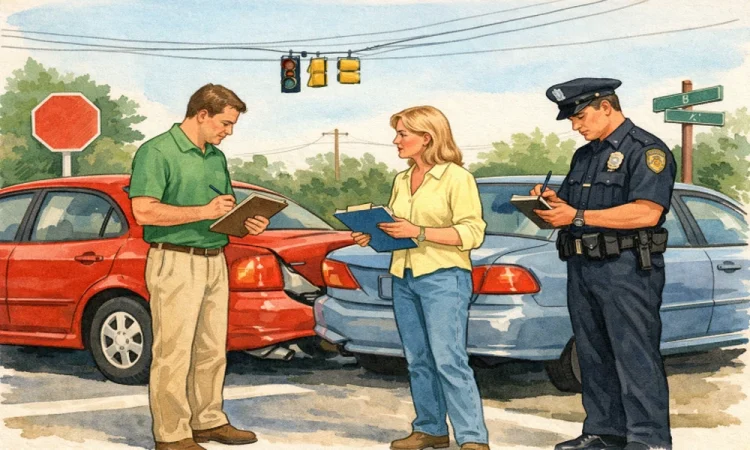
Your actions after an accident will significantly affect the outcome of your claim. Start by ensuring safety, seeking medical attention for anyone injured, and calling 911 if necessary. Exchange information with the other driver, gather witness contacts, and take clear photographs of the scene. If injuries or major damage are involved, you must report the incident to the police. Notify your own insurance provider as soon as possible to preserve your right to coverage.
Additionally, keep an accident diary detailing your physical symptoms, medical treatments, and the impact on your daily life. Such records can serve as strong evidence should you need to support your claim for pain and suffering or ongoing care needs. Remaining organized with documentation directly supports your chances for appropriate compensation.
Settlement Negotiations vs. Going to Court
The majority of Georgia car accident disputes are resolved through settlements. Insurance adjusters typically negotiate directly with claimants, and settlements offer a quicker, less stressful resolution than court battles. However, if a fair settlement cannot be reached, it may be necessary to file a lawsuit. An experienced legal advocate can help you evaluate offers and determine the best strategy based on your specific circumstances.
Legal professionals are also able to guide you through formal mediation and arbitration processes if a settlement cannot be agreed upon easily. These alternative dispute resolution methods often serve as a middle ground before resorting to full-blown courtroom litigation, providing additional opportunities for resolving differences efficiently.
Types of Damages Recoverable
Georgia law lets car accident victims pursue compensation for a variety of losses. Common damages include current and future medical expenses, lost income, out-of-pocket costs, vehicle repair or replacement, and pain and suffering. In rare cases involving extreme misconduct, punitive damages may be awarded to penalize the at-fault party and discourage similar actions. For further information, see the article from Forbes Advisor.
It’s also worth noting that emotional distress claims are sometimes included when the psychological impact of the accident is significant, even if physical injuries are less severe. Every claim is unique, so comprehensive documentation of your hardship will help maximize the value of your case and ensure all eligible losses are considered.
Recent Legal Changes Affecting Car Accident Lawsuits
April 2025 brought significant tort reform to Georgia after Governor Brian Kemp signed new laws affecting how liability suits are managed. These changes adjust rules of evidence and restrict certain types of liability, impacting the strategies available to plaintiffs and defendants alike. Staying updated about such reforms is crucial for anyone with a pending or potential lawsuit, ensuring that cases are prepared according to the current standards.
In summary, Georgia’s legal environment for car accident lawsuits is complex but navigable with the right resources and preparation. Act promptly, document everything, and consult with legal professionals who understand local statutes and recent reforms to maximize your chances of a favorable outcome.
Support Resources and Legal Aid in Georgia
Dealing with the aftermath of a car accident is not only about managing paperwork and pursuing compensation. Emotional recovery and accessing the right support systems are equally critical. In Georgia, numerous nonprofits and community programs offer assistance to accident victims who may feel overwhelmed by legal and personal challenges. The Georgia Crime Victims Compensation Program, for instance, can provide financial relief for those facing unexpected medical bills and counseling needs, even when a liable party is uninsured or underinsured.
For resources beyond financial aid, local support groups and counseling services are widely available. Establishing a support network-whether through friends, family, or regional organizations-can significantly help in coping with trauma and mental stress after an accident. Legal aid clinics such as the Georgia Legal Services Program offer free or low-cost consultations to individuals who may not have the means to hire a private attorney. These organizations provide valuable guidance on tenants’ rights, insurance disputes, and navigating the court system, making the legal landscape more accessible to all Georgia residents regardless of income.
Working with Attorneys: What to Expect
If you choose to work with a car accident attorney, knowing what to expect during your initial consultations can be reassuring. Most personal injury lawyers in Georgia operate on a contingency fee basis, meaning they only get paid if they recover compensation for you. Initial meetings generally involve reviewing your evidence, discussing your account of the accident, and outlining a strategy for negotiations and, if needed, litigation. It’s wise to bring all documentation, such as medical records, repair bills, witness statements, and police reports, to your initial appointment.
Keep in mind that good communication with your attorney is essential. You should always feel comfortable asking questions about your rights, the timeline of your case, and what potential challenges could arise. Transparency regarding fees, next steps, and case expectations establishes a foundation of trust and enables you to participate actively in your case.
Common Pitfalls and How to Avoid Them
While navigating a car accident lawsuit, there are several common mistakes that can jeopardize your ability to recover compensation. These include admitting fault at the accident scene, delaying medical treatment, missing critical filing deadlines, and accepting the first settlement offer from an insurance company. It’s essential to avoid making recorded statements or signing documents from insurers without guidance. Insurance representatives may use your words to limit their financial liability or to argue that your injuries are unrelated or exaggerated.
Another frequent issue is underestimating the long-term impact of injuries, especially soft tissue injuries or those that appear minor at first. Delayed symptoms can arise days or even weeks after an accident. Always follow up with medical professionals and get documentation for any later-developing symptoms. Keeping thorough records and seeking legal advice before accepting any compensation offer is your best defense against these pitfalls. Through careful preparation and understanding, accident victims can avoid missteps that diminish the value of their claims.