
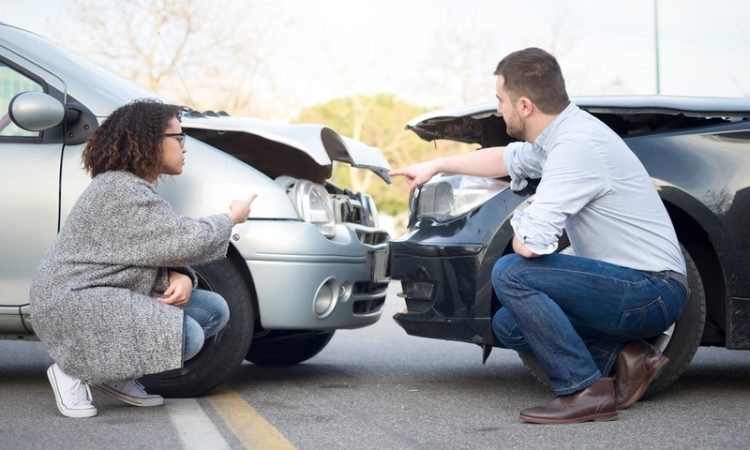
Determining fault after a car accident is a critical part of resolving claims and understanding legal responsibilities in Idaho. Fault affects insurance coverage, liability, and potential compensation for damages. Drivers in Boise and throughout Idaho should understand how fault is determined, what factors are considered, and how to protect themselves after a collision.
Idaho’s At-Fault System
Idaho operates under an at-fault system for car accidents. This means the driver who caused the accident is generally responsible for paying for damages, including property damage, medical bills, and other losses. Determining fault is essential for insurance companies and legal proceedings, as it dictates who is financially liable. Understanding this system helps drivers take the correct steps after a collision to document evidence and support their case.
Comparative Negligence
Idaho uses a modified comparative negligence approach. This means that if both drivers share some degree of responsibility for the accident, compensation may be reduced according to each driver’s percentage of fault. For example, if a driver is found 30 percent at fault, their total compensation could be reduced by that amount. Comparative negligence encourages drivers to understand how their actions, even if partially responsible, can impact claims and financial outcomes.
Evidence Used to Determine Fault
Fault is determined using multiple sources of evidence. Police reports play a significant role, providing an official account of the accident, including citations issued and statements from involved parties. Photos of the scene, vehicle damage, skid marks, and traffic signals are also important. Witness testimony can clarify events and help establish which driver was responsible. Accurate documentation at the scene is essential for insurance claims and any legal disputes.
Driver Behavior and Traffic Violations
Driver behavior is a key factor in assigning fault. Speeding, running red lights, failing to yield, distracted driving, and impaired driving are all actions that can indicate negligence. Violating traffic laws often makes it easier to establish fault, but the context of the accident is also considered. Understanding traffic rules and following them consistently can reduce the likelihood of being found at fault in a collision.
Role of Insurance Companies
Insurance companies investigate accidents to determine fault before paying claims. They review police reports, witness statements, photos, and other evidence to evaluate responsibility. Insurance adjusters may also consult accident reconstruction experts for complex cases. Promptly reporting accidents and providing accurate information helps insurers make fair determinations. Miscommunication or failure to report details accurately can complicate the process.
Shared Fault and Multiple Parties
Some accidents involve multiple drivers or parties, making fault more complex to determine. In such cases, each driver’s actions are assessed, and liability may be divided among all parties involved. Commercial vehicles, pedestrians, and cyclists may also be considered when assigning fault. Understanding how shared fault works is important for evaluating potential compensation and negotiating with insurance companies.
Disputing Fault
If you disagree with how fault is assigned, you have the right to dispute it. This may involve providing additional evidence, consulting witnesses, or seeking legal guidance. Disputes are more common in accidents with serious injuries or significant property damage. Keeping detailed records, such as medical reports, repair estimates, and photos, strengthens your position when disputing fault.
Legal Considerations
Fault determination can have legal implications, particularly in cases involving injury or contested liability. Knowing your rights under Idaho law helps you navigate the process effectively. Drivers in Boise may reference helpful online resources to understand accident procedures, liability rules, and when to seek professional advice, such as consulting Attorneys of Idaho. Understanding these aspects ensures drivers make informed decisions and protect themselves legally.
Steps to Protect Yourself
To protect yourself after an accident, remain calm, gather information, and document the scene thoroughly. Collect the other driver’s information, take photos of vehicle damage and the surrounding area, and obtain contact information for witnesses. Notify your insurance company promptly and avoid admitting fault at the scene. Following these steps helps ensure that fault is accurately determined and that your rights are preserved.
Conclusion
Determining fault in Idaho car accidents involves understanding the at-fault system, comparative negligence, driver behavior, and the role of evidence. Police reports, witness statements, photos, and traffic violations all contribute to how responsibility is assigned. Being informed about how fault is determined, documenting the scene carefully, and communicating with insurance companies can help drivers navigate the aftermath of an accident confidently. By knowing your rights and responsibilities, drivers in Boise and across Idaho can protect themselves legally, ensure fair compensation, and promote safer driving practices for everyone on the road.